eSIM for Martinique
Mobile data from the moment you land, no roaming fees and no SIM swap.
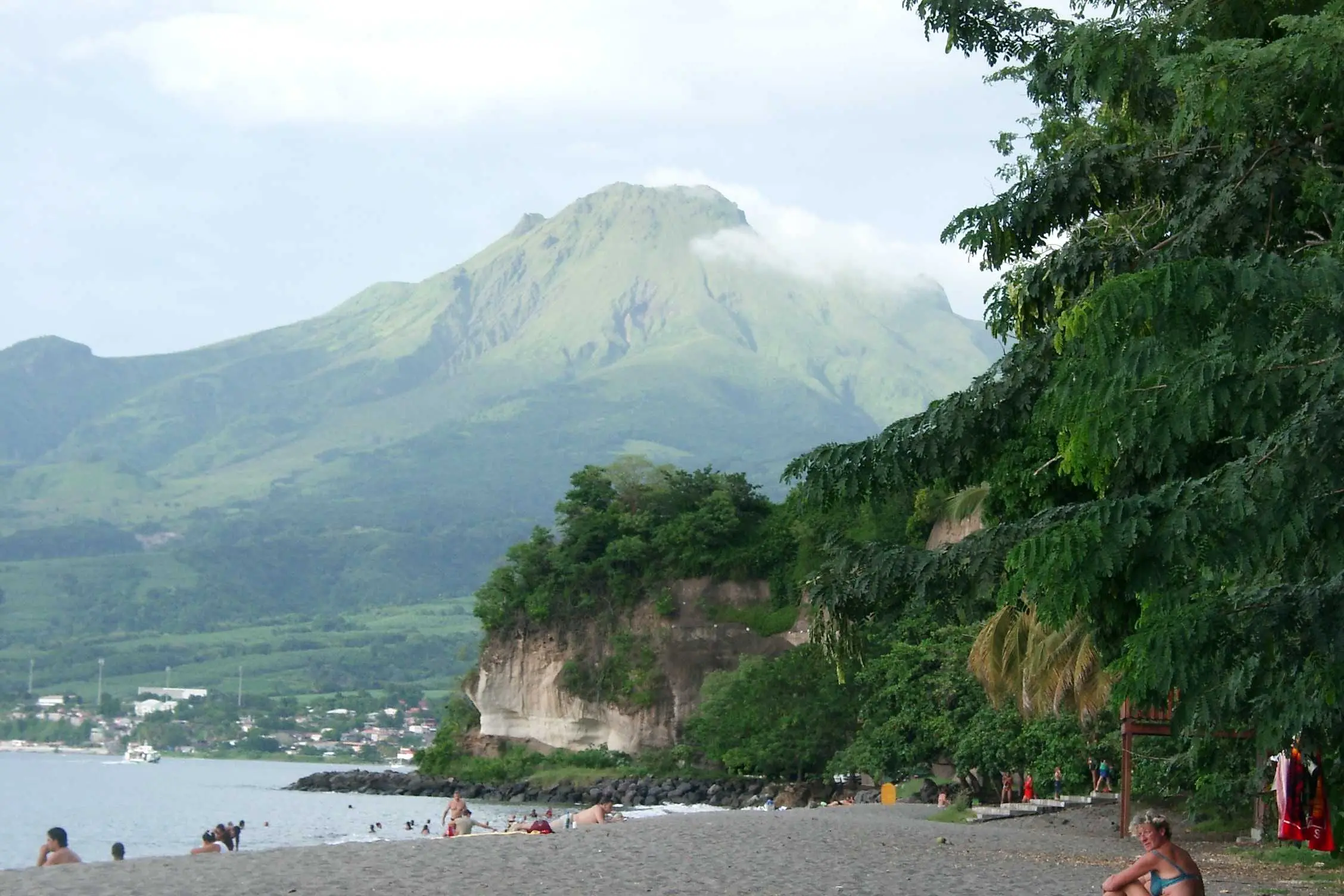
Martinique is a volcanic island in the Lesser Antilles that feels more like the south of France with palm trees than a classic Caribbean stop.
It is an overseas department of France, you pay with euros at the supermarket, and a morning baguette is a given. In the north the Montagne Pelée volcano rises out of rainforest, and in the south there are pale beaches and mangroves.
The island is big enough for a loop by rental car without ever feeling rushed. Rum is a culture of its own here, with distilleries you can visit, and Creole cooking is spicy and fresh. Groceries cost clearly more than in Switzerland, while restaurant prices sit close to those in France.
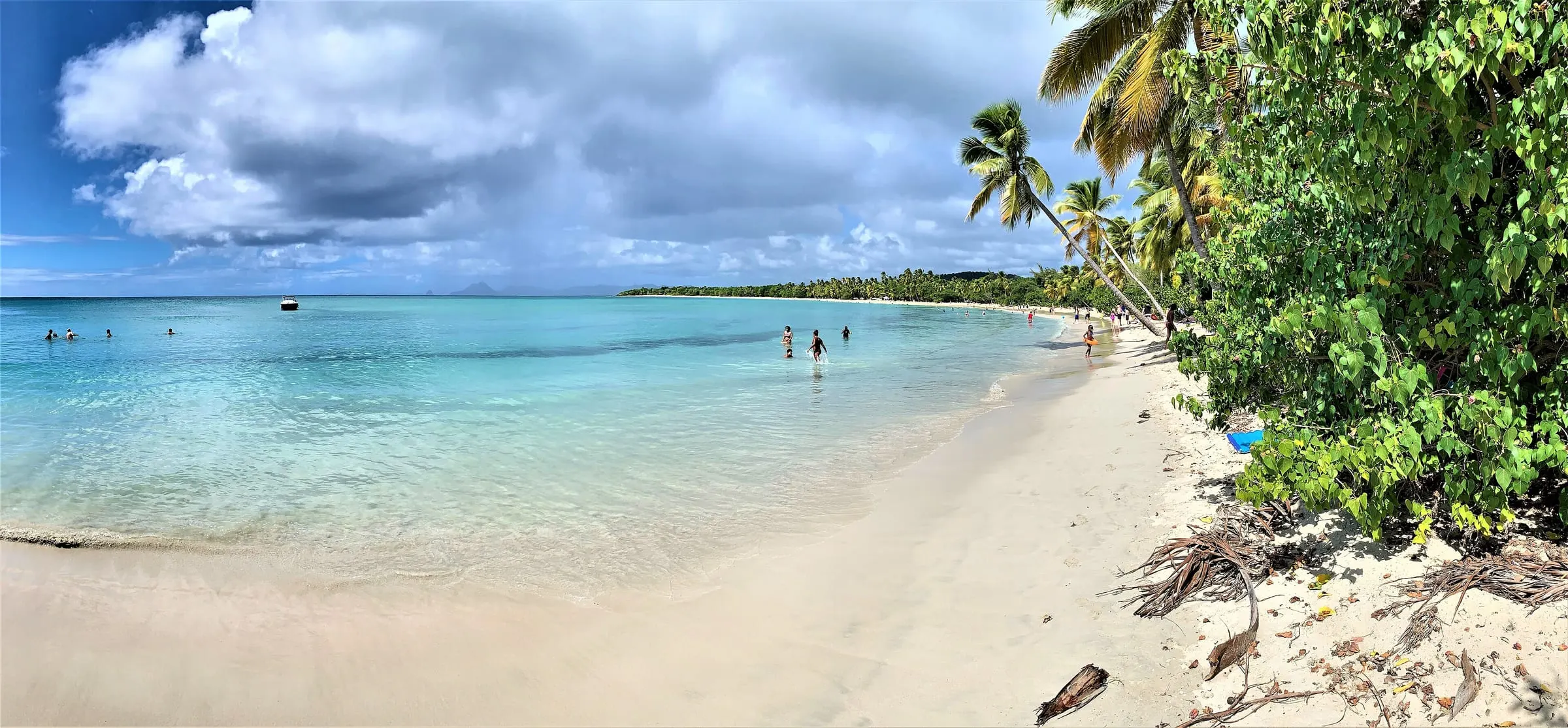
Ideal for: Rum fans, Hikers, Food lovers, Road trippers
January
High season
High season. Beaches and sights are usually busier, so it pays to book accommodation and transport early.
February
High season
High season. Beaches and sights are usually busier, so it pays to book accommodation and transport early.
March
High season
High season. Beaches and sights are usually busier, so it pays to book accommodation and transport early.
April
High season
High season. Beaches and sights are usually busier, so it pays to book accommodation and transport early.
May
Shoulder season
Shoulder season. Often pleasant and quieter than high season.
June
Outside the months we recommend. Write to us if you want to travel exactly then.
July
Outside the months we recommend. Write to us if you want to travel exactly then.
August
Low season
Low season. Usually quiet, but some offers run on reduced schedules or pause.
September
Low season
Low season. Usually quiet, but some offers run on reduced schedules or pause.
October
Low season
Low season. Usually quiet, but some offers run on reduced schedules or pause.
November
Outside the months we recommend. Write to us if you want to travel exactly then.
December
High season
High season. Beaches and sights are usually busier, so it pays to book accommodation and transport early.
By region
The dry season from December to May is sunny and ideal for swimming. In summer it is hotter and more humid.
It rains more often in the north. For the Montagne Pelée hike you need a clear morning.
Carnival in February fills the city with noise and crowds. Late summer is hurricane season.
Weather currently unavailable
Weather data: MET Norway, CC BY 4.0
Pick your passport and we show you the entry rule.
Entry rule
No visa needed
For Swiss citizens
Martinique generally lets Swiss visitors in without a visa, as entry follows the rules for France. The territory is not part of the Schengen area, so a passport is the safe choice, valid for at least six months. The FDFA publishes current information, all details without guarantee.
No guarantee – the official authority is binding.
Daily budget per person
Frugal
CHF 110
per day
Comfortable
CHF 200
per day
Generous
CHF 360
per day
Guide values excluding flights, in CHF.
Flight time from Zurich
approx. 10 to 13 h
Including a stop, often in Paris
Getting around
Without a rental car you will not get far, as regular buses are rare. From Fort-de-France boats take you to Anses-d'Arlet and Trois-Îlets. Traffic drives on the right, and around the capital there is often a jam.
Airports
A selection of international airports.
Mobile data from the moment you land, no roaming fees and no SIM swap.
Compare rental cars and explore on your own schedule.
Fixed price, driver waiting: a relaxed ride from the airport to your stay.
Secure tours and tickets in advance.
Partner links: we may earn a commission, the price stays the same for you.
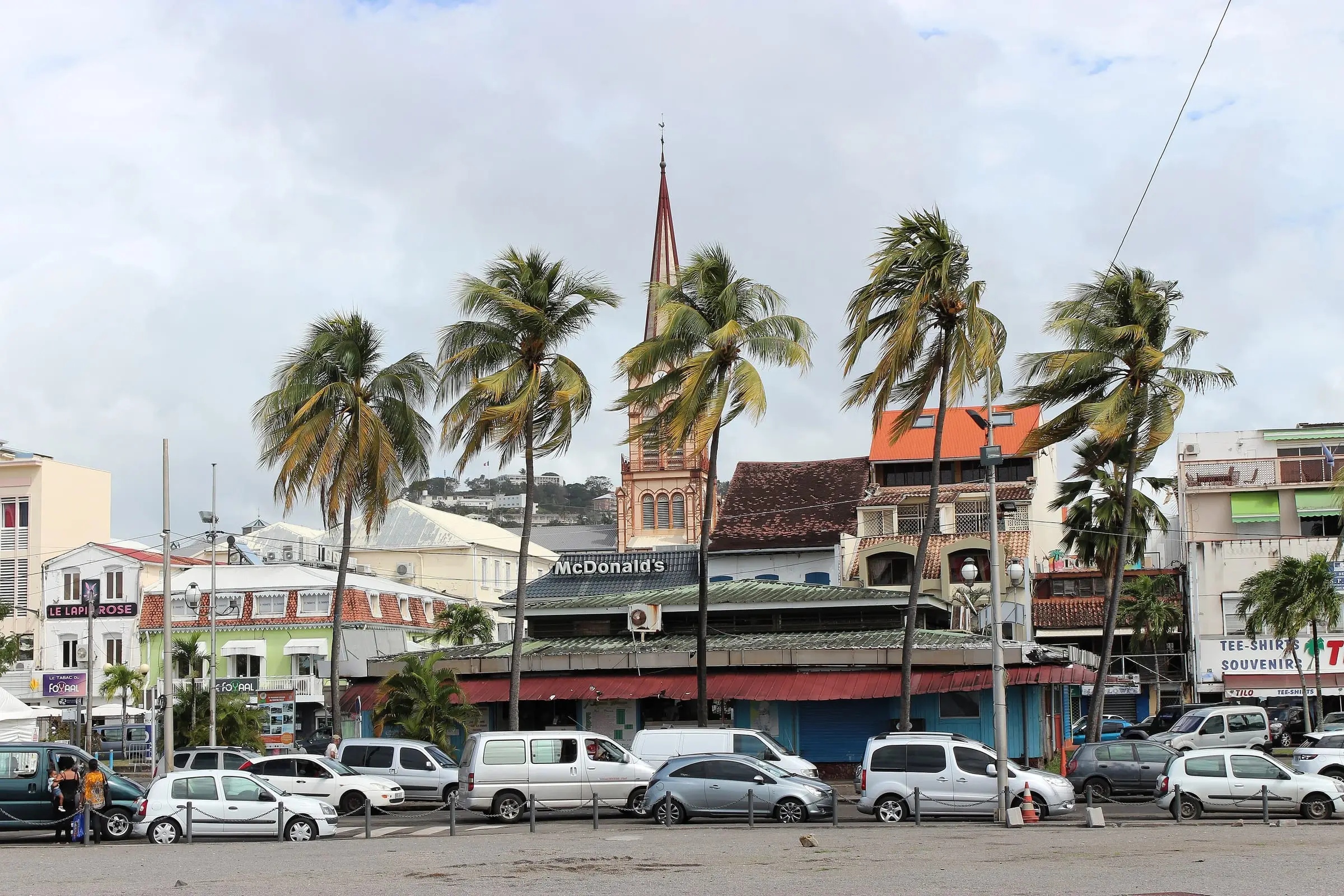
The capital has a lively market and a cathedral. It shows the mixed Creole everyday life of the island.
The town was destroyed in the 1902 volcanic eruption, and today you see ruins and a museum. The summit can be reached on foot.
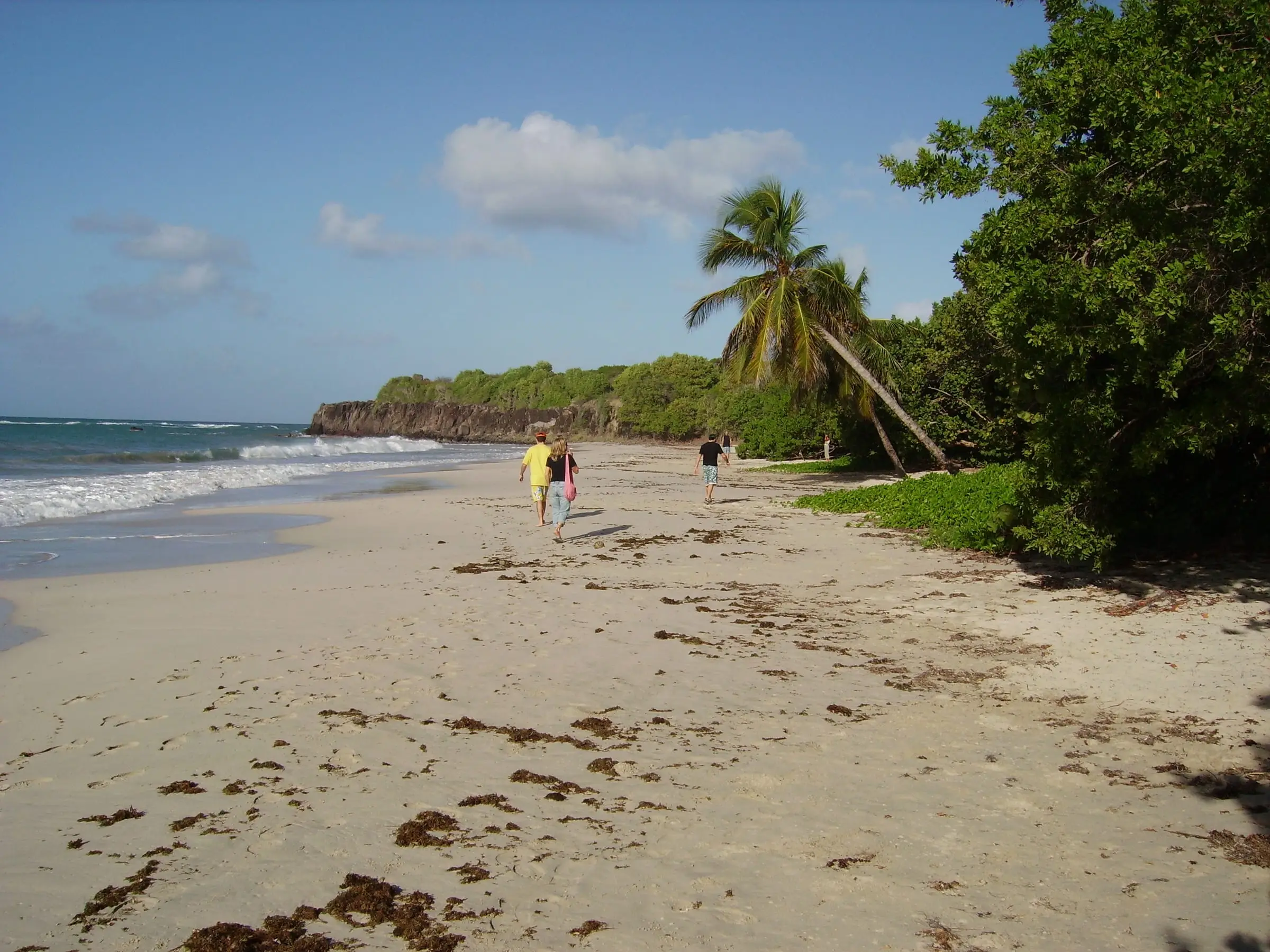
A long beach in the south with palms and calm, shallow water. It is crowded at weekends and more relaxed on weekdays.
Quiet villages, mangroves and bays such as Anse Trabaud. Good for snorkelling and long beach days.
Photos: La Pelée vue du Carbet by Jurassi, Public domain; Les Salines beach by Sapakagadewmoinjadiw, CC BY-SA 4.0; Fort-de-France - 2014 - Cathédrale Saint-Louis (1) by Aristoi, CC BY-SA 4.0; Les Salines Beach by Frameme~commonswiki, CC BY-SA 3.0. Cropped and compressed. This adaptation is also licensed under CC BY-SA 4.0.
Hotels, apartments and bungalows near beaches and boats
Small guesthouses and holiday homes close to the beach
Gîtes and small stays close to nature
Current travel advice and the security situation are published by the Swiss Federal Department of Foreign Affairs.
View FDFA travel adviceNo vaccinations are normally required to enter from Switzerland. The sun is strong, and mosquitoes can transmit dengue and chikungunya. Whether and how much your Swiss insurer covers abroad is something to clarify before you leave.
We are happy to advise you on travel insurance.
Recommended length
8 to 12 days
Suggested route
December to May is dry and sunny. In late summer hurricanes are possible and the air is damp.
Around CHF 110 a day on a simple trip, about CHF 200 at mid level. The rental car and accommodation are the biggest costs.
Take your passport, as Martinique is not in the Schengen area. The FDFA shows the current rules.
In hotels English often works. Away from tourist spots, every sentence of French helps a lot.
If rum interests you, yes. Many distilleries offer tours and tastings, so check opening hours beforehand.
Very good. Around Montagne Pelée and in the rainforest there are marked trails, though they get slippery after rain.
In a free intro call we cover your wishes, dates and budget. Afterwards you receive a quote with options.
Pick a slot in the calendar right away – or message us wherever suits you best.
Loading the calendar embeds Cal.com. Data is transferred to the provider. Privacy
Reply usually within 24 h