eSIM for French Guiana
Mobile data from the moment you land, no roaming fees and no SIM swap.
French Guiana sits on the north coast of South America but is an overseas department of France.
That means euros, French supermarkets and fresh baguettes next to rainforest, mangroves and rivers that are often the only roads inland. It is not a classic beach trip, but a place for people who want nature and an unusual mix of Europe and the tropics.
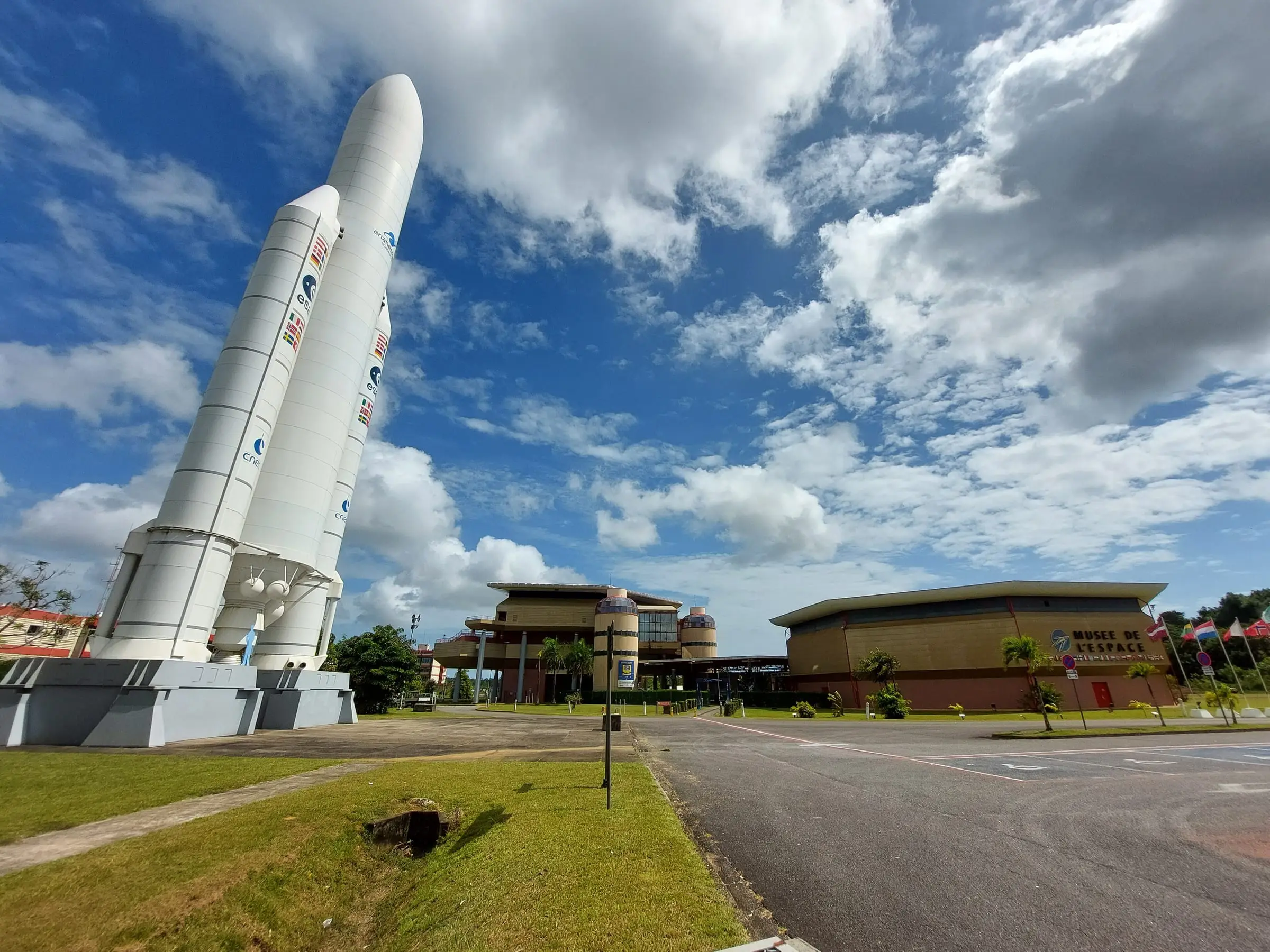
The European spaceport is near Kourou, and rocket launches draw visitors from far away. Offshore lie the Îles du Salut, the former penal colonies. Inland you can book jungle tours and spot caimans, howler monkeys and sloths. The rainy season is hot and wet, so build some slack into your plans.
Ideal for: Nature fans, Space enthusiasts, Jungle lovers, Adventurous travellers
January
Low season
Low season. Usually quiet, but some offers run on reduced schedules or pause.
February
Low season
Low season. Usually quiet, but some offers run on reduced schedules or pause.
March
Low season
Low season. Usually quiet, but some offers run on reduced schedules or pause.
April
Low season
Low season. Usually quiet, but some offers run on reduced schedules or pause.
May
Low season
Low season. Usually quiet, but some offers run on reduced schedules or pause.
June
Low season
Low season. Usually quiet, but some offers run on reduced schedules or pause.
July
Shoulder season
Shoulder season. Often pleasant and quieter than high season.
August
High season
High season. Beaches and sights are usually busier, so it pays to book accommodation and transport early.
September
High season
High season. Beaches and sights are usually busier, so it pays to book accommodation and transport early.
October
High season
High season. Beaches and sights are usually busier, so it pays to book accommodation and transport early.
November
Shoulder season
Shoulder season. Often pleasant and quieter than high season.
December
Outside the months we recommend. Write to us if you want to travel exactly then.
By region
August to November is the driest stretch, and the easiest time for day trips. From December to June rain is frequent and heavy.
Boat crossings work best in calm seas, usually in the dry season. In the rainy season trips are more likely to be cancelled.
Hot and humid all year. In the dry season trails and rivers are easier to travel.
Weather currently unavailable
Weather data: MET Norway, CC BY 4.0
Pick your passport and we show you the entry rule.
Entry rule
No visa needed
For Swiss citizens
French Guiana is French territory but not part of the Schengen area. To be safe, travel on a passport that should still be valid for at least six months. Whether an ID card is enough and whether proof of yellow fever vaccination is checked, confirm with the FDFA before booking, all information without guarantee.
No guarantee – the official authority is binding.
Daily budget per person
Frugal
CHF 110
per day
Comfortable
CHF 190
per day
Generous
CHF 330
per day
Guide values excluding flights, in CHF.
Flight time from Zurich
approx. 12 to 14 h
With a change in Paris (depending on the connection)
Getting around
Shared taxis and a few buses link Cayenne, Kourou and Saint-Laurent, and a rental car makes most things easier. Inland you often travel by dugout canoe or small plane. Traffic drives on the right.
Airports
A selection of international airports.
Mobile data from the moment you land, no roaming fees and no SIM swap.
Compare rental cars and explore on your own schedule.
Fixed price, driver waiting: a relaxed ride from the airport to your stay.
Secure tours and tickets in advance.
Partner links: we may earn a commission, the price stays the same for you.
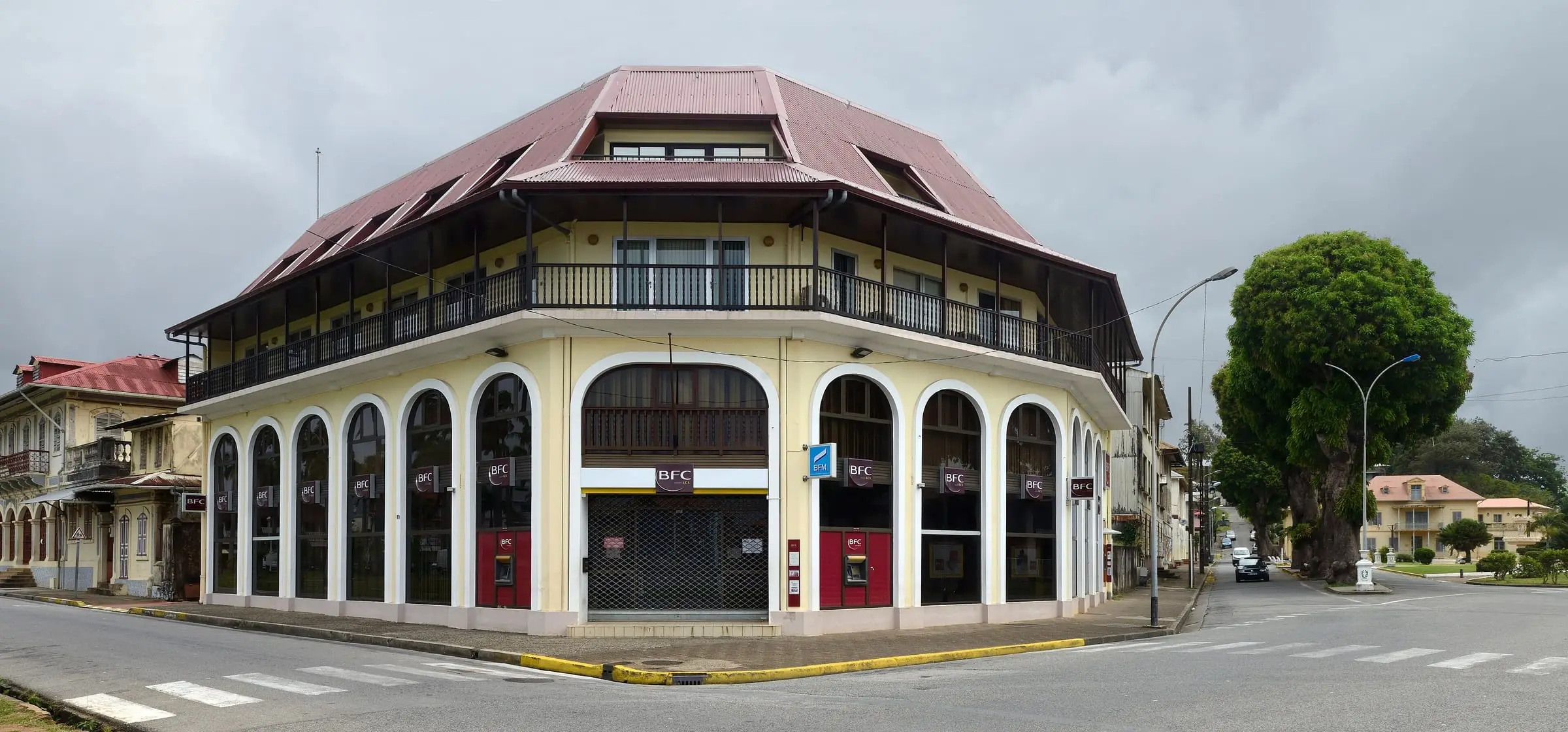
The capital has a lively market, Creole food and small hotels. It is a handy base for organising trips.
The space centre offers visits, and the town fills up around launches. Leave some buffer days, as launch dates often shift.
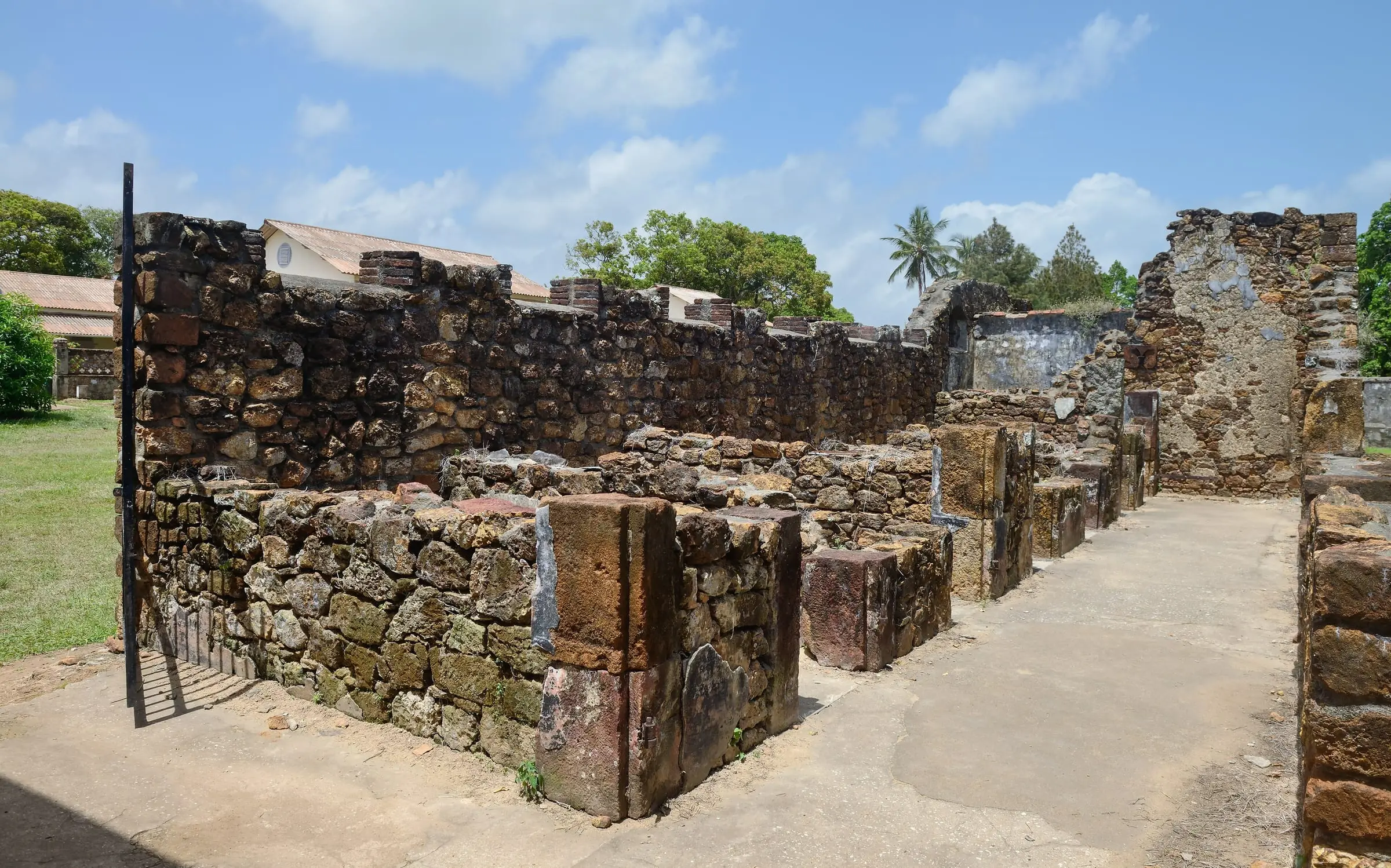
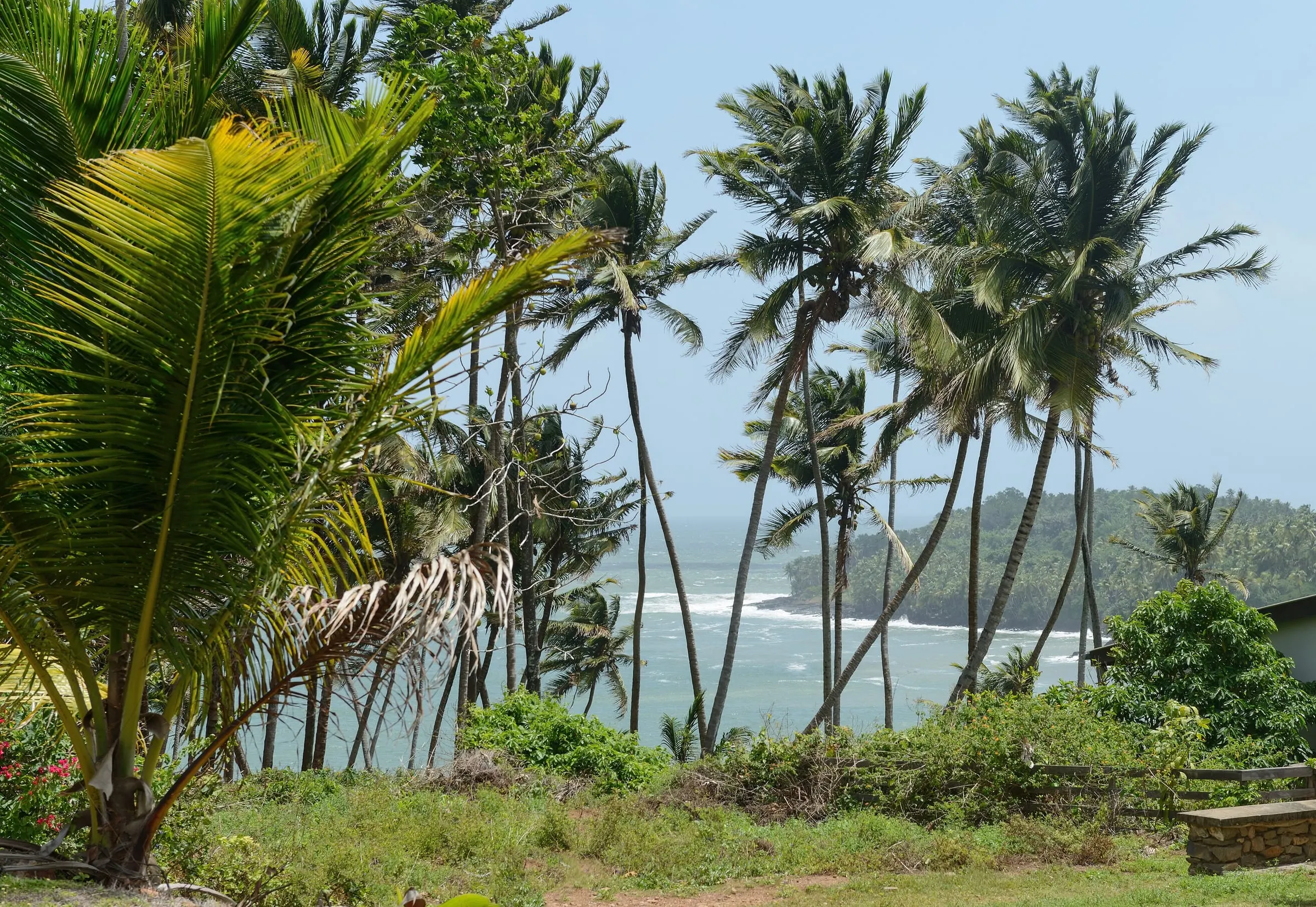
Three islands with old prison buildings, palms and monkeys. You reach them by boat from Kourou, and a night in the guesthouse is possible.
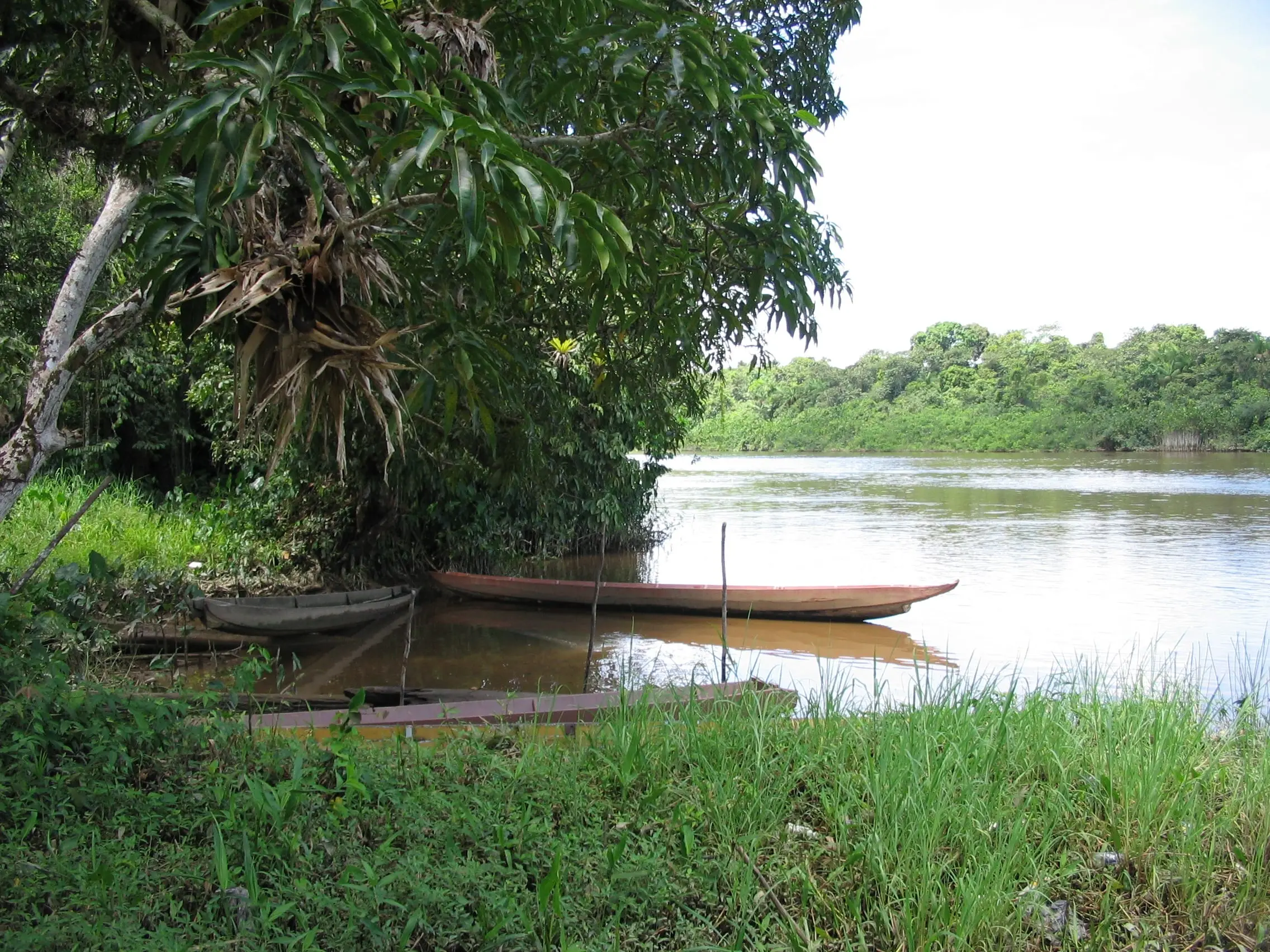
Jungle, river trips by dugout canoe and villages along the Maroni. Go with local guides, and some French helps.
Photos: Accueil du centre spatial guyanais 2 by Don-vip, CC BY-SA 4.0; Île du Diable depuis l'Île Royale by Cayambe, CC BY-SA 4.0; Cayenne Banque française commerciale place des palmistes 2013 by Cayambe, CC BY-SA 4.0; Île Royale ruines cellules de prisonniers by Cayambe, CC BY-SA 4.0; Maroni River by JuliasTravels, CC BY-SA 3.0. Cropped and compressed. This adaptation is also licensed under CC BY-SA 4.0.
Small hotels and guesthouses, apartments in the centre
Hotels near the sea and guesthouses, book early around launches
Simple guesthouse on Île Royale, limited beds
Lodges and hammock camps, usually part of a guided package
Current travel advice and the security situation are published by the Swiss Federal Department of Foreign Affairs.
View FDFA travel adviceAccording to the usual guidance, a yellow fever vaccination is required to enter, without guarantee, so talk to a travel doctor early. Mosquitoes are another reason for repellent and long sleeves. Check with your Swiss health insurer what it covers abroad, including repatriation.
We are happy to advise you on travel insurance.
Recommended length
7 to 10 days
Suggested route
August to November is the driest period, when tours and boat trips work best. From December the rain is frequent, lasting into early summer.
On a tight budget about CHF 110 a day works, comfortable travel is closer to CHF 190, and with a lodge and tours expect around CHF 330. It costs more than much of South America because it is part of France.
Bring your passport to be safe, as the territory lies outside the Schengen area. The current rules are on the FDFA site, without guarantee.
According to the usual guidance it is required for entry. See a travel doctor early and check the current requirements.
Usually with a change in Paris, and the journey takes about 12 to 14 hours. Some flights from Paris run direct, and a stop in the Caribbean is also possible.
Towns call for the usual precautions, and a taxi is better at night. Inland you are safer with a local guide. The emergency number is 112.
In a free intro call we cover your wishes, dates and budget. Afterwards you receive a quote with options.
Pick a slot in the calendar right away – or message us wherever suits you best.
Loading the calendar embeds Cal.com. Data is transferred to the provider. Privacy
Reply usually within 24 h