eSIM for Faroe Islands
Mobile data from the moment you land, no roaming fees and no SIM swap.
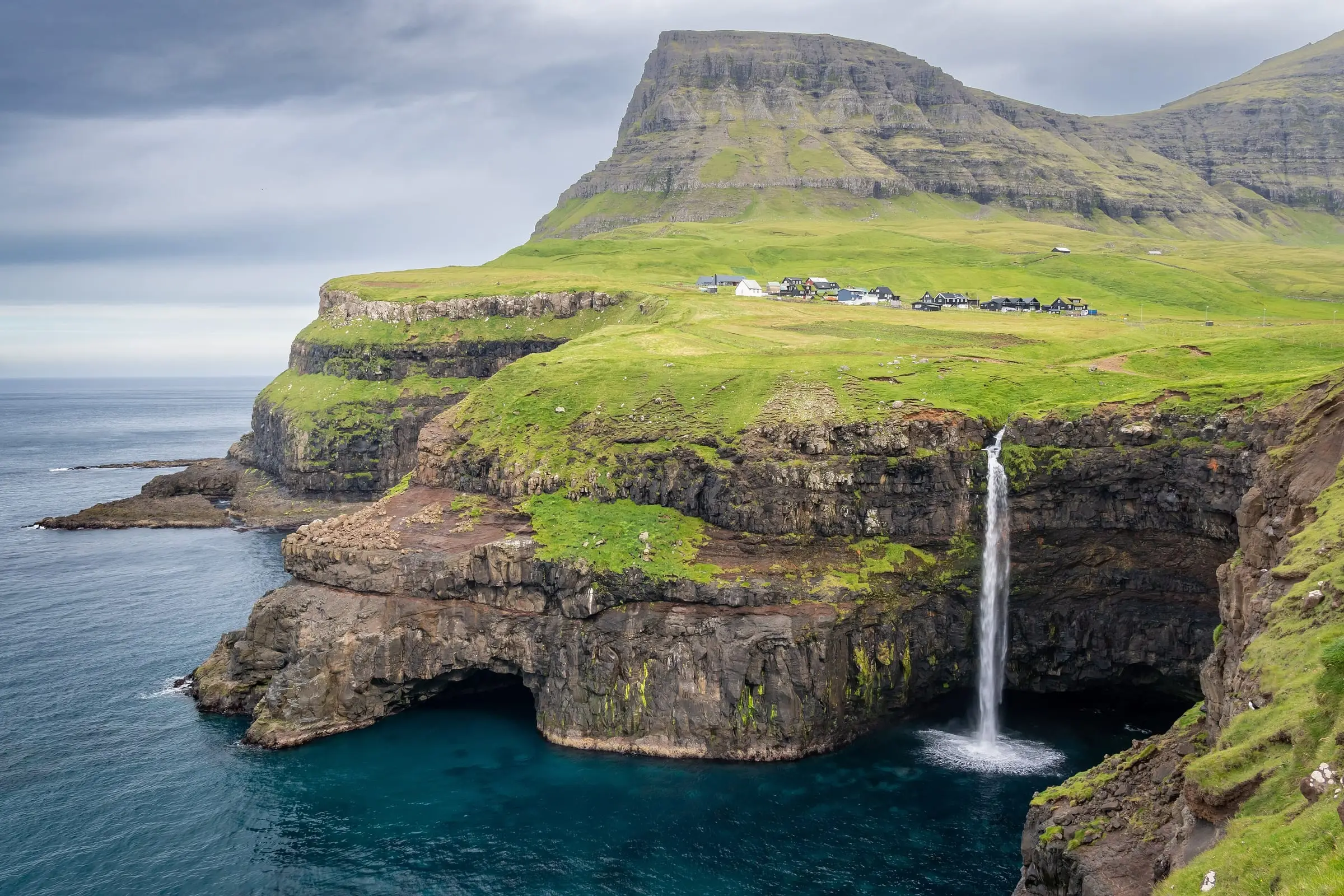
The Faroe Islands are a cluster of eighteen islands in the middle of the North Atlantic, between Iceland and Norway.
They are a self-governing territory within the Kingdom of Denmark, but they are not part of the EU or the Schengen Area. Expect sheer cliffs, treeless green slopes, waterfalls that drop straight into the sea and villages with turf roofs. The weather changes several times a day, and that is part of the deal.
From Zurich you usually travel with one change, most often in Copenhagen. A rental car makes sense on the ground, since tunnels and bridges link many of the islands. Hiking here is more than a pastime. Many trails cross pasture that belongs to sheep farmers, so stick to marked routes and ask first if you are unsure.
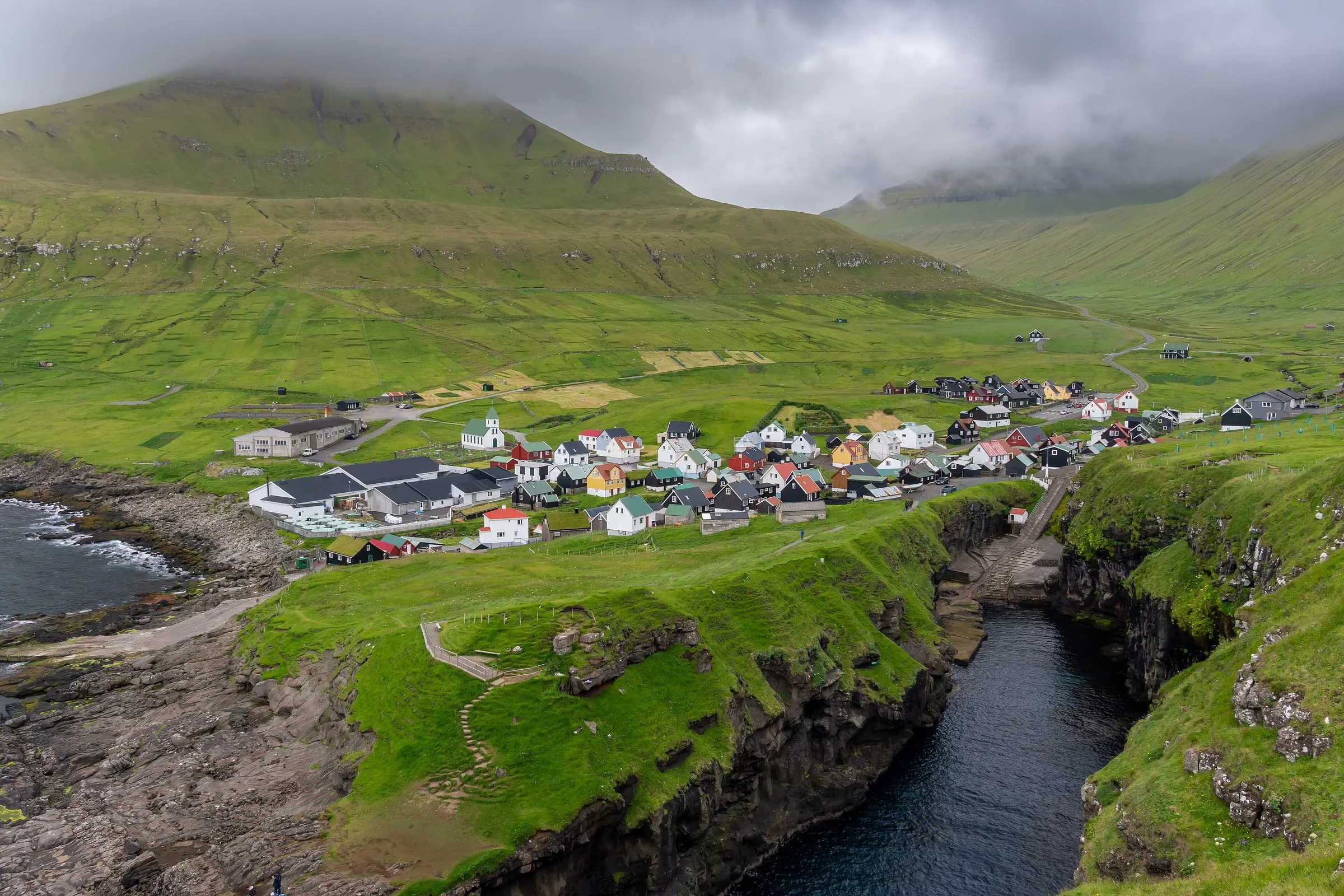
Ideal for: Hikers, Photographers, Road-trip fans, People who like open space
January
Low season
Low season. Usually quiet, but some offers run on reduced schedules or pause.
February
Low season
Low season. Usually quiet, but some offers run on reduced schedules or pause.
March
Low season
Low season. Usually quiet, but some offers run on reduced schedules or pause.
April
Outside the months we recommend. Write to us if you want to travel exactly then.
May
Shoulder season
Shoulder season. Often pleasant and quieter than high season.
June
High season
High season. Beaches and sights are usually busier, so it pays to book accommodation and transport early.
July
High season
High season. Beaches and sights are usually busier, so it pays to book accommodation and transport early.
August
High season
High season. Beaches and sights are usually busier, so it pays to book accommodation and transport early.
September
Shoulder season
Shoulder season. Often pleasant and quieter than high season.
October
Outside the months we recommend. Write to us if you want to travel exactly then.
November
Low season
Low season. Usually quiet, but some offers run on reduced schedules or pause.
December
Low season
Low season. Usually quiet, but some offers run on reduced schedules or pause.
By region
June to August brings long days and mostly walkable trails. In winter, fog, storms and short days are normal.
May and September often offer clear windows between showers. Some ferries run less often in winter.
In summer the island suits coastal walks. Ferry times and weather shape the plan.
Weather currently unavailable
Weather data: MET Norway, CC BY 4.0
Pick your passport and we show you the entry rule.
Entry rule
No visa needed
For Swiss citizens
The Faroe Islands are outside the Schengen Area, even though Denmark belongs to it. Swiss travellers generally need a passport, and whether an ID card is enough is worth checking beforehand. A visa is normally not required for tourist stays. Look at your passport before you go, ideally valid for at least six months, and read the current rules on the FDFA site, all information without guarantee.
No guarantee – the official authority is binding.
Daily budget per person
Frugal
CHF 150
per day
Comfortable
CHF 230
per day
Generous
CHF 380
per day
Guide values excluding flights, in CHF.
Flight time from Zurich
approx. 4 to 5 h
With a change, usually in Copenhagen (depends on season and connection)
Getting around
A rental car is the easiest way around, as tunnels and bridges link many islands. A few tunnels charge a toll. Ferries and buses reach the more remote islands, less often in winter. Traffic drives on the right, and sheep like to stand on the road.
Airports
A selection of international airports.
Mobile data from the moment you land, no roaming fees and no SIM swap.
Compare rental cars and explore on your own schedule.
Fixed price, driver waiting: a relaxed ride from the airport to your stay.
Secure tours and tickets in advance.
Partner links: we may earn a commission, the price stays the same for you.

The small capital has an old harbour quarter with turf roofs and cosy cafés. From here you can drive to several coastal villages.

You land on Vágar, and the waterfall at Gásadalur is not far away. A boat runs from here to the bird island of Mykines, with puffins in summer.

Tunnels and bridges take you to villages such as Gjógv, with its rock cleft serving as a natural harbour. The landscape out there is bare and wide.
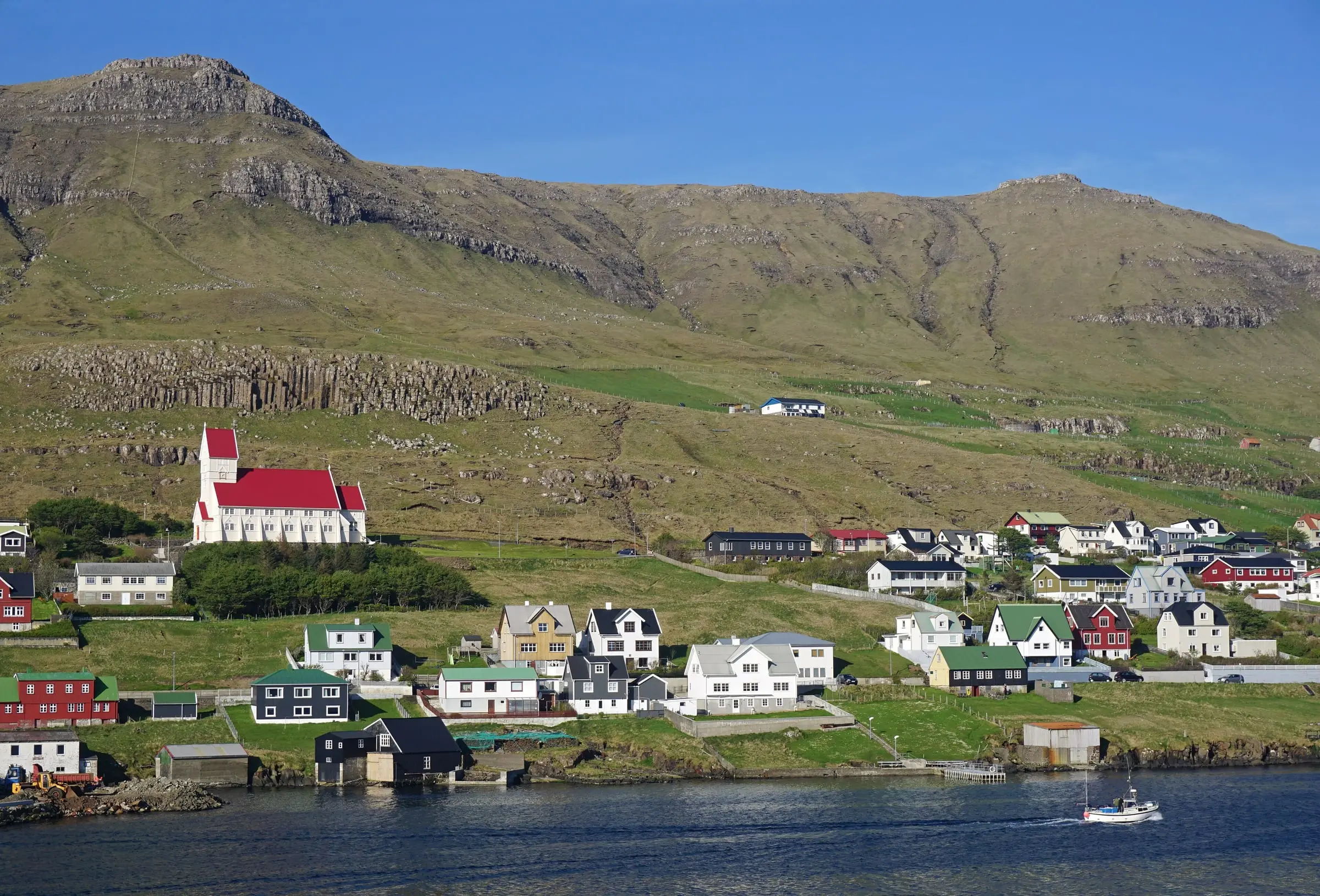
You reach the southernmost island by ferry from Tórshavn. Little traffic, steep coasts and small villages define it.
Photos: Múlafossur2 by Ekrem Canli, CC BY-SA 4.0; Gjógv 1 2022 by Ekrem Canli, CC BY-SA 4.0; Tórshavn View of Tinganes from the parking lot of the harbour 02 by Ymblanter, CC BY-SA 4.0; Mykineshólmur 1 by Erik Christensen, CC BY-SA 4.0; Gjógv, Faroe Islands by Erik Christensen, Porkeri (Contact at the Danish Wikipedia), CC BY-SA 3.0; Tvøroyri from Smyril 2 by kallerna, CC BY-SA 4.0. Cropped and compressed. This adaptation is also licensed under CC BY-SA 4.0.
Small hotels, guesthouses and apartments near the harbour, book early in summer
Guesthouses and holiday flats, handy close to the airport
Holiday houses, rooms with local hosts and simple guesthouses, often with a kitchen
Current travel advice and the security situation are published by the Swiss Federal Department of Foreign Affairs.
View FDFA travel adviceYou do not need any vaccinations to enter the Faroe Islands. The real challenge is the weather, since wind, fog and rain change fast, so pack waterproofs and sturdy hiking shoes. Check with your Swiss health insurer how far treatment abroad is covered before you leave.
We are happy to advise you on travel insurance.
Recommended length
5 to 7 days
Suggested route
June to August brings long days and mostly accessible trails. Summer suits puffin watching, while in winter the weather and ferries are less predictable.
On a tight budget about CHF 150 a day works, comfortable travel is closer to CHF 230, and with a rental car and a good room expect around CHF 380. Food and rooms cost roughly what they do at home, rarely less.
Because the Faroes sit outside the Schengen Area, a passport is the safer choice. Check with the FDFA before booking whether an ID card is accepted, without guarantee.
It makes life easier, as buses do not go everywhere and not often. Without a car you can still reach the larger villages by bus and ferry.
Many trails cross pasture owned by local families. Stay on marked routes, ask first and leave gates as you found them.
Five to seven days cover Streymoy, Vágar and one more island. Leave some slack, because fog can stop boats and hikes.
In a free intro call we cover your wishes, dates and budget. Afterwards you receive a quote with options.
Pick a slot in the calendar right away – or message us wherever suits you best.
Loading the calendar embeds Cal.com. Data is transferred to the provider. Privacy
Reply usually within 24 h