eSIM for Bouvet Island
Mobile data from the moment you land, no roaming fees and no SIM swap.
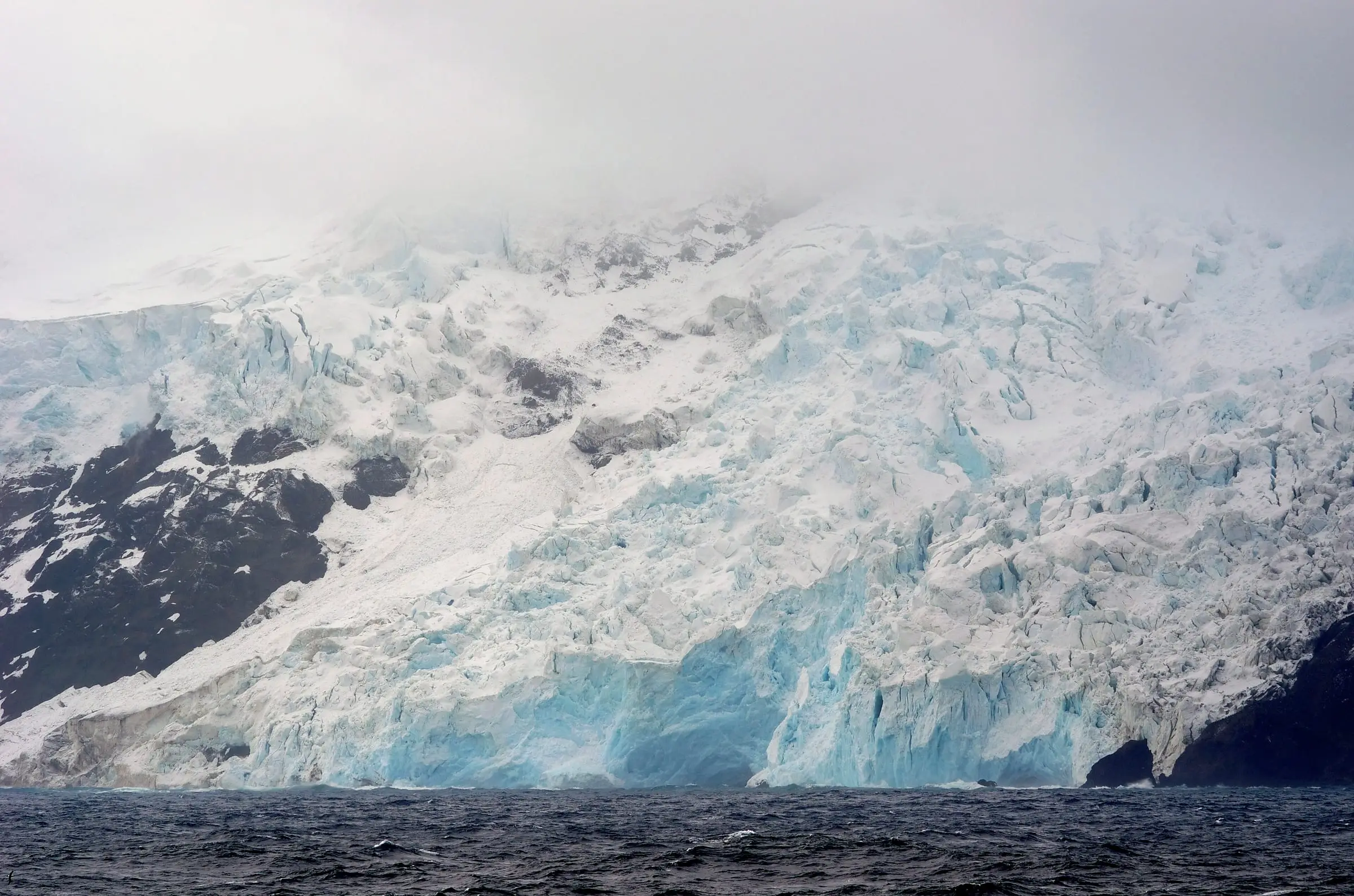
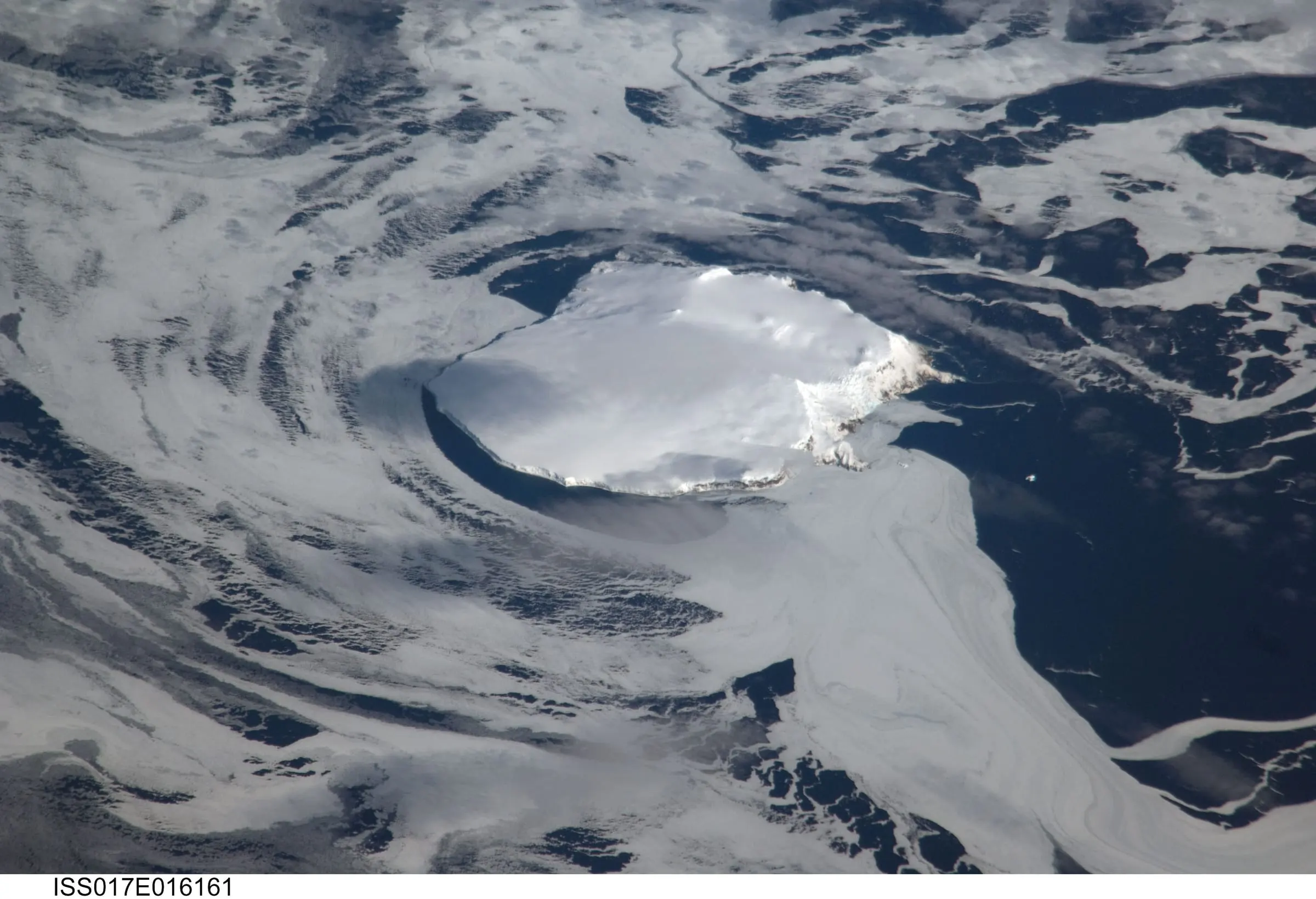
Bouvet Island lies in the South Atlantic, about 2,500 kilometres southwest of South Africa, and counts as one of the most remote islands on Earth.
It is uninhabited, almost entirely covered by glaciers, and protected as a nature reserve. It is a dependency of Norway.
Travel there is practically impossible. Landings are rare and mostly for research, and the weather seldom lets even a ship come close. If a destination like this is on your mind, we at Haas Bookings can plan an individual expedition to the region with you, for example to South Georgia or Antarctica.
Ideal for: Expedition travellers, Geography fans, Long-range planners, Curious minds
January
High season
High season. Beaches and sights are usually busier, so it pays to book accommodation and transport early.
February
Shoulder season
Shoulder season. Often pleasant and quieter than high season.
March
Low season
Low season. Usually quiet, but some offers run on reduced schedules or pause.
April
Low season
Low season. Usually quiet, but some offers run on reduced schedules or pause.
May
Low season
Low season. Usually quiet, but some offers run on reduced schedules or pause.
June
Low season
Low season. Usually quiet, but some offers run on reduced schedules or pause.
July
Low season
Low season. Usually quiet, but some offers run on reduced schedules or pause.
August
Low season
Low season. Usually quiet, but some offers run on reduced schedules or pause.
September
Low season
Low season. Usually quiet, but some offers run on reduced schedules or pause.
October
Low season
Low season. Usually quiet, but some offers run on reduced schedules or pause.
November
Low season
Low season. Usually quiet, but some offers run on reduced schedules or pause.
December
Shoulder season
Shoulder season. Often pleasant and quieter than high season.
By region
If at all, the southern summer from December to February is the only window. Fog, wind and ice decide whether a ship gets close.
The approach crosses rough seas, and calm days are rare.
Pick your passport and we show you the entry rule.
Entry rule
Visa required, apply before you travel
For Swiss citizens
Bouvet Island is a nature reserve, there is no visa, and a landing needs a permit from the Norwegian authorities that is practically only issued for research. For travel via South Africa its entry rules apply, so bring a passport valid for at least six months. No guarantee, current details are on the FDFA site.
No guarantee – the official authority is binding.
Daily budget per person
Frugal
CHF 700
per day
Comfortable
CHF 1200
per day
Generous
CHF 2500
per day
Guide values excluding flights, in CHF.
Flight time from Zurich
approx. 12 to 16 h
With a connection to Cape Town, then several days by ship, if a trip happens at all
Getting around
The island could only be reached by expedition or research vessel, and getting ashore would at best mean an inflatable boat or helicopter. There are no roads.
Mobile data from the moment you land, no roaming fees and no SIM swap.
Compare rental cars and explore on your own schedule.
Fixed price, driver waiting: a relaxed ride from the airport to your stay.
Secure tours and tickets in advance.
Partner links: we may earn a commission, the price stays the same for you.
The northwest tip, named after the day of its discovery in 1739. It has small rocky shores.
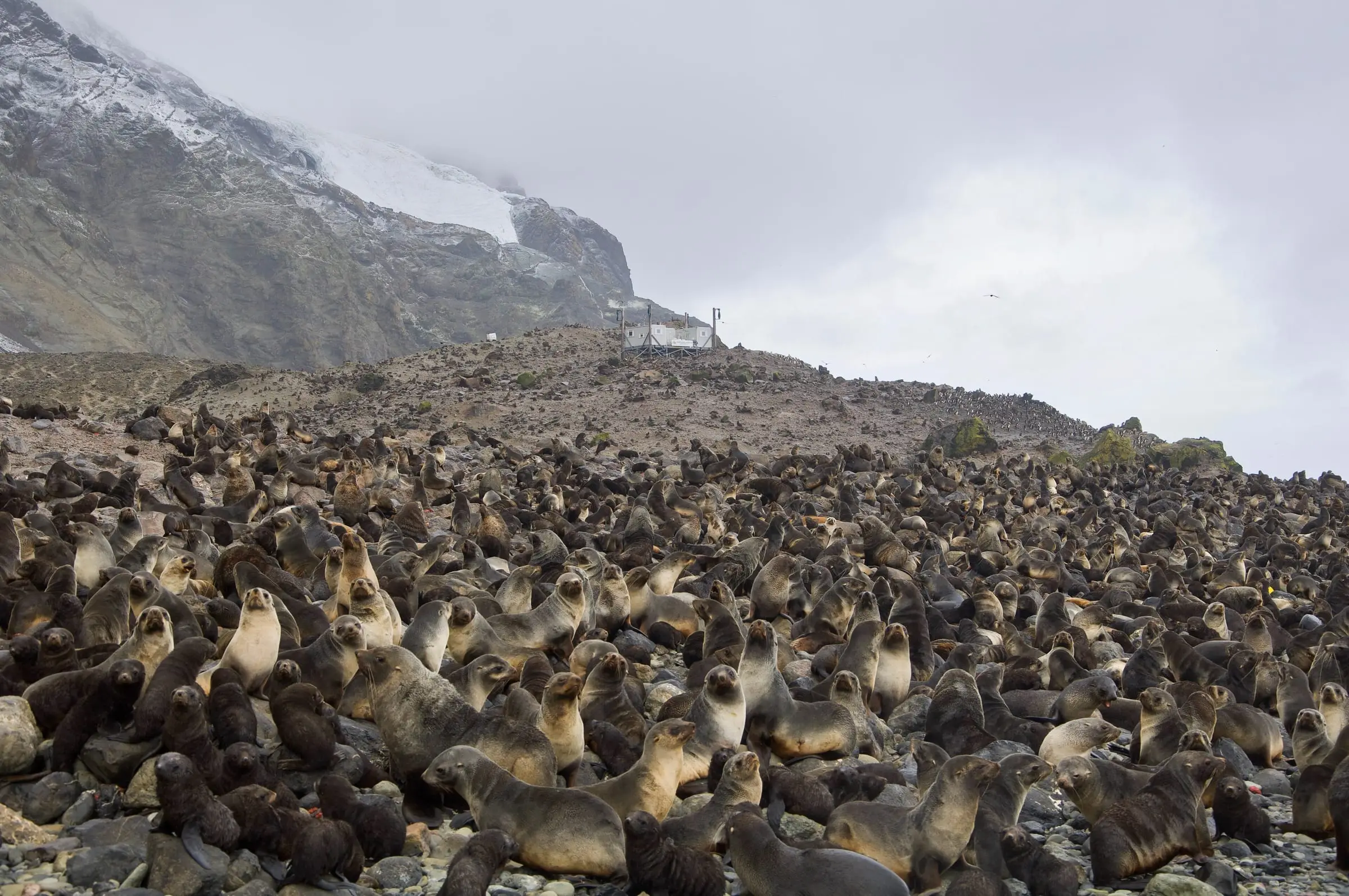
A flat lava field on the west coast where a Norwegian station once stood. It is one of the few possible landing spots.
The island's highest point on a glacier plateau. You only see it from the air or from a ship.
A small islet off the coast that serves as a nature reserve. Normally only research staff have access.
Photos: Bouvet Island west coast glacier by François Guerraz, CC BY-SA 3.0; Bouvet Island ISS017-E-16161 no text by International Space Station crew, Public domain; Antarktisk pelssel på Bouvetøya, Nyrøysa by AudunNarvestad, CC BY-SA 4.0. Cropped and compressed. This adaptation is also licensed under CC BY-SA 4.0.
Cabins on board, if a ship calls at the region
Hotels in Cape Town or Ushuaia, depending on the route
No lodging, as it is uninhabited and protected
Current travel advice and the security situation are published by the Swiss Federal Department of Foreign Affairs.
View FDFA travel adviceNo vaccinations are needed, but a trip in this area calls for a ship doctor and an evacuation plan. On rough seas a seasickness remedy helps. Talk to your Swiss insurer about what would be covered for such trips.
We are happy to advise you on travel insurance.
Recommended length
cannot be planned
Suggested route
Practically no. Landings are mostly allowed for research only, and the weather rarely lets even ships get near.
In the South Atlantic, about 2,500 kilometres southwest of South Africa. It counts as one of the most remote islands in the world.
It is a Norwegian dependency and a nature reserve. There are no permanent residents.
An expedition in this area costs roughly 700 to 2,500 Swiss francs a day, without guarantee. A landing is not included.
South Georgia and Antarctica are reachable, with penguins, elephant seals and glaciers. We plan the trip individually.
In a free intro call we cover your wishes, dates and budget. Afterwards you receive a quote with options.
Pick a slot in the calendar right away – or message us wherever suits you best.
Loading the calendar embeds Cal.com. Data is transferred to the provider. Privacy
Reply usually within 24 h